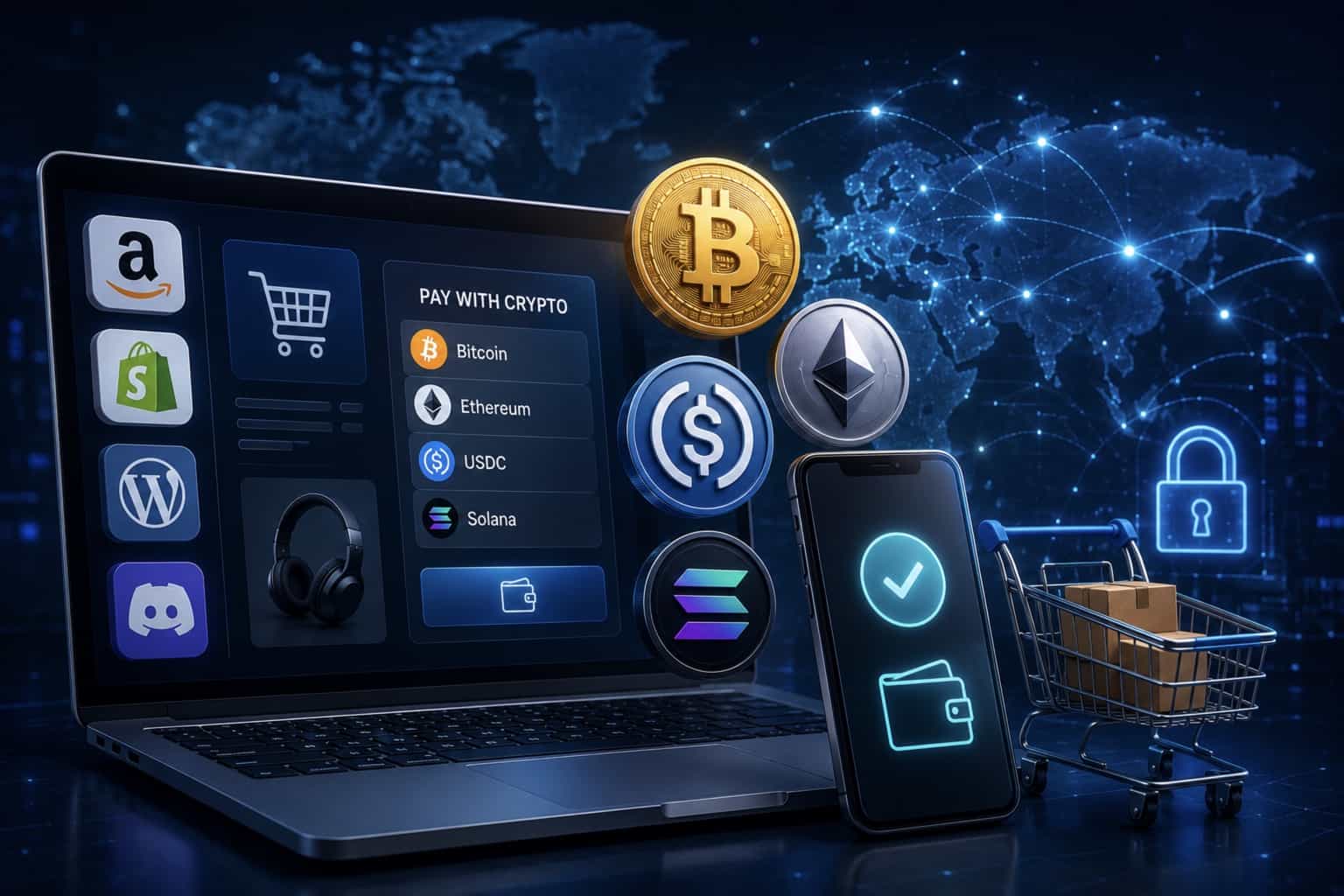
The global financial landscape is shifting rapidly. For decades, digital platforms relied on traditional banking rails, credit card networks, and payment processors to handle transactions. While these systems have served us well, they often come with high processing fees, slow international settlement times, and geographic restrictions.
Today, a growing number of digital platforms—spanning e-commerce, software-as-a-service (SaaS), digital content creation, and online entertainment—are integrating cryptocurrency payments into their checkout flows. This transition is no longer just about catering to tech enthusiasts; it is a strategic business move to improve efficiency, reach new audiences, and reduce operational costs.
The Drivers Behind Crypto Adoption
For digital platforms, the decision to integrate decentralized currencies comes down to solving real-world friction points in payment processing.
- Lower Transaction Fees: Credit card networks and traditional payment gateways typically charge merchants between 1.5% and 3.5% per transaction. Cryptocurrency transactions, by contrast, bypass traditional intermediaries, often reducing processing fees to less than 1%.
- Elimination of Chargeback Fraud: “Friendly fraud” and chargeback disputes cost online merchants billions of dollars annually. Because blockchain transactions are immutable and irreversible, digital platforms are completely protected from fraudulent chargeback claims.
- Instant Cross-Border Settlements: Standard international wire transfers can take several days to clear and involve hefty currency conversion fees. Cryptocurrency transactions settle in minutes, regardless of where the sender and receiver are located.
- Financial Inclusion: Millions of potential consumers worldwide lack access to traditional banking services but possess smartphones and internet access. Accepting digital assets allows platforms to instantly tap into these unbanked and underbanked global markets.
Industries Leading the Transition
Different sectors are adopting digital currency payments at varying speeds, depending on their target demographics and business models.
E-Commerce and Retail
Major e-commerce builders and independent merchants have been quick to adopt crypto payment gateways. Plugins for platforms like Shopify and WooCommerce allow business owners to accept major assets like Bitcoin, Ethereum, and various stablecoins with minimal technical setup. Some businesses immediately convert crypto to fiat to avoid market volatility, while others hold digital assets directly on their balance sheets.
Digital Entertainment and Gaming
The entertainment industry thrives on microtransactions and instant access, making it a perfect match for decentralized payments. To cater to a global user base looking for anonymous and secure transactions, sectors like digital gaming and specialized entertainment hubs have embraced these solutions; for instance, many crypto casino sites now utilize blockchain rails to process near-instant deposits and withdrawals safely. Beyond gaming, online creators and freelancers are also accepting digital assets to bypass heavy intermediary fees.
SaaS and Web Hosting
SaaS providers, domain registrars, and web hosting companies were among the earliest adopters of cryptocurrency. Because their services are inherently digital and globally distributed, accepting decentralized currencies allows them to serve international developers and privacy-conscious users without the hassle of local currency conversions.
Traditional Payments vs. Cryptocurrency Payments
To understand why platforms are making this shift, it is helpful to compare how traditional fiat networks stack up against decentralized payment infrastructure:
| Feature | Traditional Payments (Credit Cards / Wire) | Cryptocurrency Payments (Blockchain) |
| Settlement Time | 2 to 5 business days for global transfers | Minutes to hours, operating 24/7/365 |
| Average Fees | 1.5% – 3.5% + fixed gateway fees | Often under 1%, depending on the network |
| Chargeback Risk | High (risk of consumer disputes and fraud) | Zero (all finalized transactions are permanent) |
| Global Access | Limited by local banking regulations and corridors | Completely borderless and accessible to anyone |
| Privacy Level | Low (requires extensive personal data sharing) | High (pseudonymous, requiring only wallet addresses) |
Overcoming Integration Challenges
Despite the clear benefits, integrating cryptocurrency payments is not without its hurdles. Digital platforms must navigate a few key challenges to ensure smooth implementation:
- Price Volatility: The value of digital assets can fluctuate wildly within hours. To mitigate this risk, many platforms utilize payment processors that instantly convert incoming crypto into stablecoins (like USDC or USDT) or local fiat currency at the exact moment of sale.
- Regulatory Compliance: Keeping up with shifting tax laws, Know Your Customer (KYC) requirements, and Anti-Money Laundering (AML) guidelines is a complex task. Platforms must ensure their payment gateways comply with regional financial regulations.
- User Experience (UX): Managing crypto wallets, seed phrases, and gas fees can still be intimidating for the average consumer. Modern payment gateways are actively solving this by creating simplified, one-click checkout interfaces that hide the underlying technical complexity.
As blockchain technology matures and user interfaces become more intuitive, the line between traditional and digital asset payments will continue to blur. Digital platforms that proactively adapt to this multi-currency future are positioning themselves to capture a broader global market, lower their overhead costs, and offer the seamless, secure transaction experiences that modern internet users expect.

Thomas Miller is the founder and Editor-in-Chief of Seat42F, covering television, movies and streaming entertainment. He launched Seat42F in 2007 and has spent nearly two decades covering the entertainment industry.