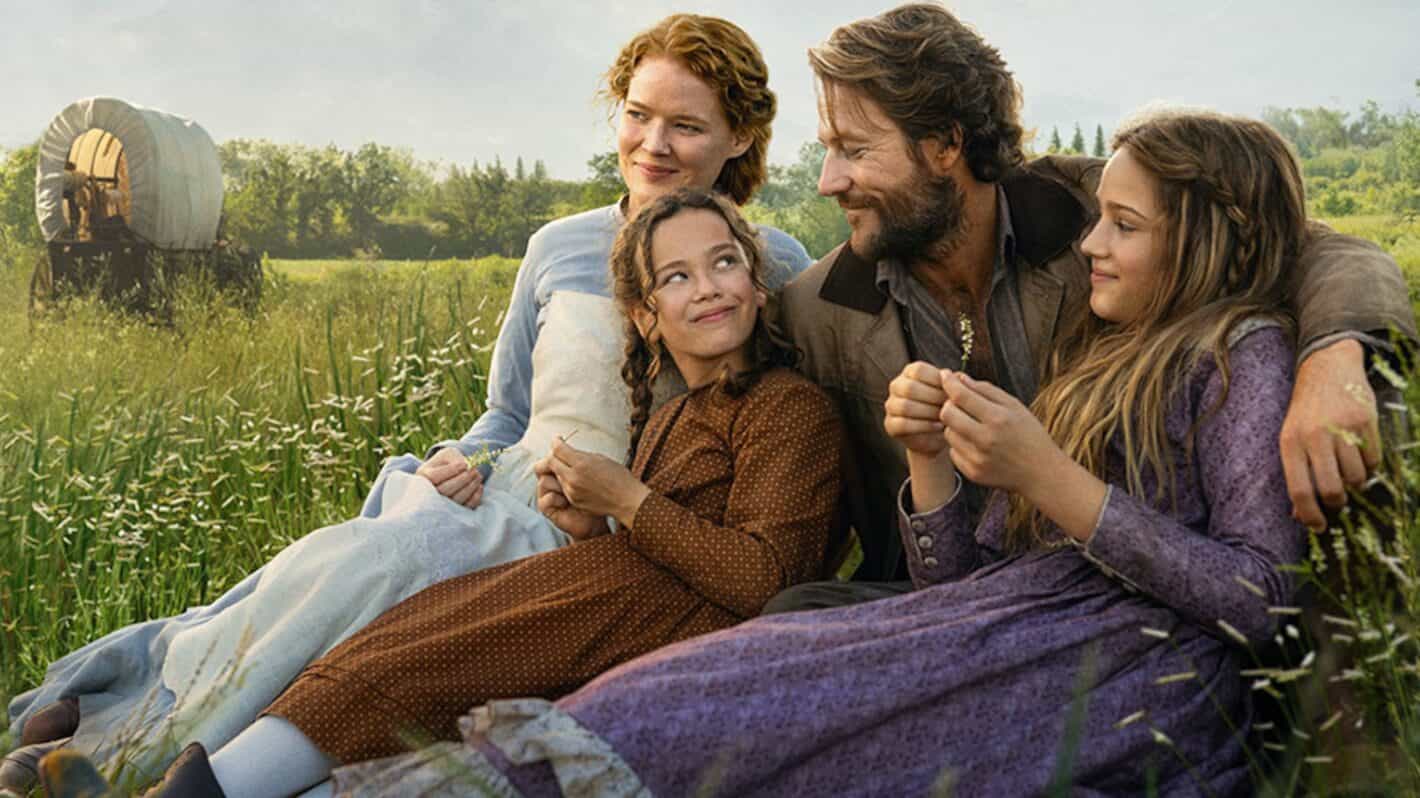
Netflix’s new LITTLE HOUSE ON THE PRAIRIE doesn’t try to replace the beloved 1970s television series. Instead, it returns to Laura Ingalls Wilder’s original novels, delivering a thoughtful reimagining that embraces the warmth and optimism fans remember while acknowledging the more complicated realities of frontier life.
Showrunner Rebecca Sonnenshine understands that this isn’t simply a nostalgic family drama. It’s a story about survival, community, and the difficult choices made while building a life in an unforgiving landscape. The result is a series that feels both familiar and refreshingly modern without losing the heart that has made Little House on the Prairie endure for generations.
A Strong New Laura Ingalls
At the center of the series is Alice Halsey, who delivers a wonderful performance as Laura Ingalls. Curious, stubborn, compassionate, and occasionally impulsive, Halsey’s Laura feels like a believable young girl rather than an idealized television heroine.
The supporting cast is equally impressive. Luke Bracey gives Charles “Pa” Ingalls emotional depth beyond the traditional frontier father, while Crosby Fitzgerald‘s Caroline emerges as a fully realized partner instead of simply the family’s steady caretaker. Together, they create a family dynamic that feels authentic, loving, and occasionally messy—the kind of emotional foundation the series needs.
A More Honest Look At The American Frontier
One of the reboot’s biggest strengths is its willingness to confront aspects of history that earlier adaptations often overlooked.
Rather than ignoring the fact that the Ingalls family settles on Osage land, the series incorporates that reality into the story from the very beginning. Native characters become meaningful participants in the narrative instead of background figures, giving the series a broader perspective while remaining respectful to the source material.
Importantly, these additions never feel forced. Instead, they enrich the story by placing the Ingalls family’s journey within the larger historical context of westward expansion.
Beautifully Produced
Visually, LITTLE HOUSE ON THE PRAIRIE is stunning.
Sweeping prairie landscapes, warm natural lighting, and detailed period production design create a world that feels both beautiful and unforgiving. The series captures the simple pleasures of frontier life without romanticizing the hardships, reminding viewers that survival often depended on determination, family, and a little luck.
The cinematography frequently makes the American frontier feel like another character, emphasizing both its breathtaking beauty and constant danger.
Does It Live Up To The Original?
That ultimately depends on what viewers are looking for.
Fans expecting a scene-for-scene recreation of the Michael Landon television series may initially be surprised. This adaptation is more grounded, more historically aware, and occasionally darker in tone.
However, viewers willing to embrace a fresh interpretation will likely find a thoughtful family drama that respects both Laura Ingalls Wilder’s books and modern audiences. It doesn’t erase the past—it builds upon it.
Final Verdict
Netflix’s LITTLE HOUSE ON THE PRAIRIE succeeds because it honors the emotional spirit of the original while finding new ways to tell a familiar story. Strong performances, beautiful production values, and a more nuanced examination of frontier life make this far more than a simple reboot.
It may not replace the classic series in the hearts of longtime fans, but it absolutely earns its place alongside it.
Rating: 9.2/10
Tune In
All eight episodes of LITTLE HOUSE ON THE PRAIRIE are now streaming exclusively on Netflix. The series has already been renewed for Season 2.

Thomas Miller is the founder and Editor-in-Chief of Seat42F, covering television, movies and streaming entertainment. He launched Seat42F in 2007 and has spent nearly two decades covering the entertainment industry.