Online casino games used to look backwards for inspiration. Slots copied old machines. Table games copied casino floors. Live casino copied the room, the dealer, the wheel, the cards. That still exists, but newer casino games have taken a lot from another place entirely: casual mobile games. You can see it in the way they start, move, and explain themselves. They do not ask for much patience. They do not always need a long rule page. They give the player one clear thing to do, then let the round teach the rest.
One Simple Action Comes First
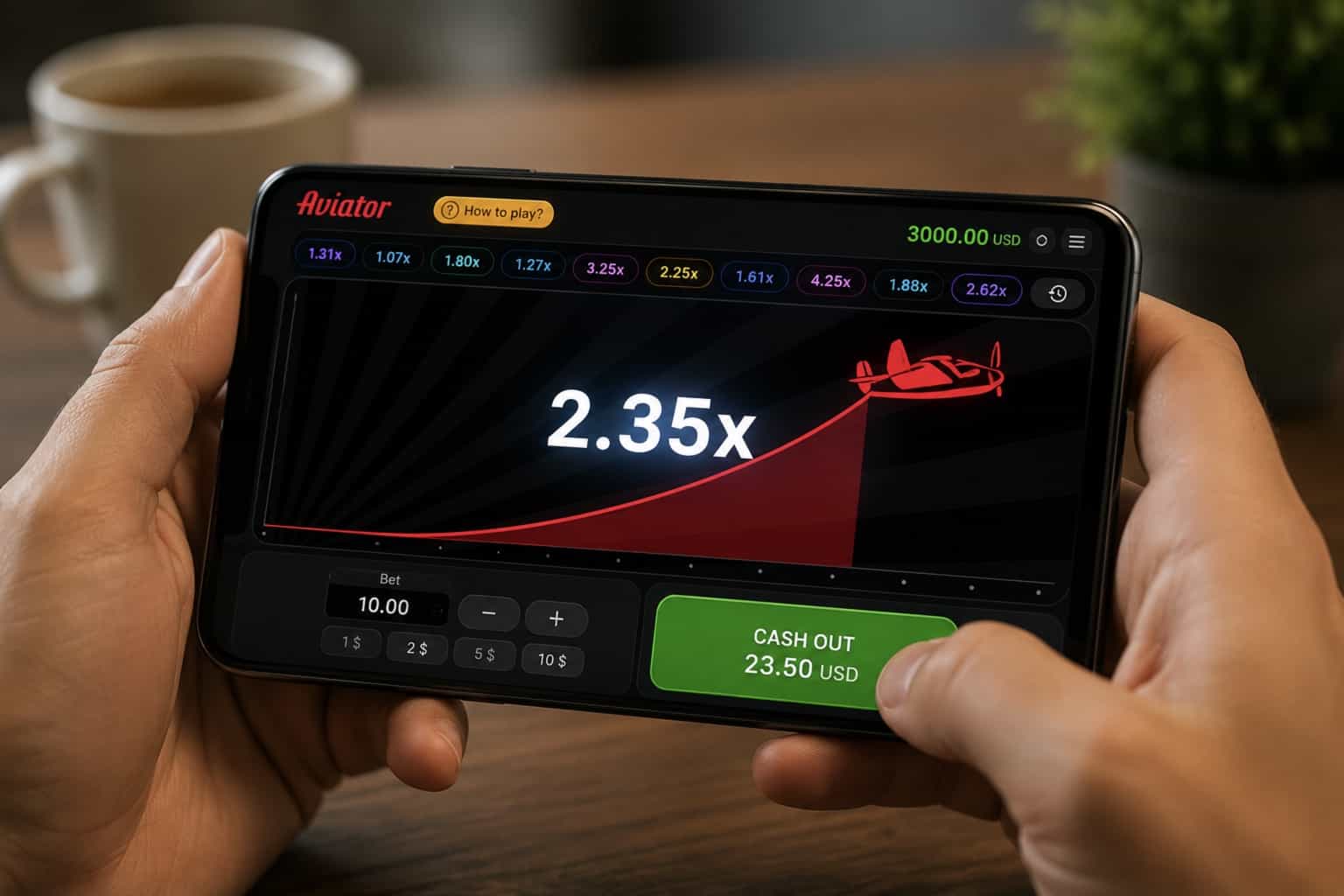
A lot of casual mobile games are built around one easy action. In Candy Crush, you match tiles. In Angry Birds, you pull and release. In Subway Surfers, you swipe to avoid trouble. The whole game may get deeper later, but the first move is obvious. Newer online casino games on betway Mozambique use the same idea. In a crash game, the player watches a multiplier rise and decides when to cash out. In mines, the player picks tiles and tries to avoid the wrong one. In plinko-style games, the ball drops and the result plays out visually. In dice games, the whole point is usually understood after one round. That is very different from opening a complicated slot with five bonus meters, special symbols, feature buys, mystery reels and a paytable nobody wants to read.
The Screen Is Cleaner
Casual mobile games usually understand the phone better than old casino games did. They keep the main action in the middle. Buttons are clear. The result is easy to see. The player does not have to search the screen before doing something. Online casino games have started following that. Aviator is a good example. The screen is not crowded. The plane moves, the multiplier rises, the cash-out button matters. That is basically the game. Mines works the same way in another form: a grid, a choice, a reveal. The simplicity is not accidental. It makes the game feel built for the hand, not squeezed into the phone.
Rounds Are Shorter and Easier to Leave
Mobile games trained people to play in small bursts. One level while waiting for coffee. One race before a meeting. One puzzle before bed. Casino games have moved toward that rhythm too. Crash games, instant wheels, dice games and quick number games do not need a long session to make sense. A player can open the game, play a few rounds, and leave without feeling like they interrupted something. That fits modern app behaviour much better than a slow-loading game that needs five minutes just to settle. Slots still matter, of course, but even many slots now borrow this thinking. Faster loading, clearer bonus triggers, easier autoplay controls, and simpler mobile layouts all come from the same pressure: people do not want the game to waste the first minute.
Visual Feedback Does More Work
Casual games are good at making small actions feel satisfying. A tile pops. A character jumps. Coins move. A level bar fills. None of it is necessary in a strict sense, but it gives the player feedback. Casino games use this more now. A multiplier climbing in a crash game creates tension without much explanation. A plinko ball bouncing down the board makes the result feel active. A mines tile flipping over gives the round a little pause before the next choice. Even simple number games now use cleaner animation and sound to make the reveal feel sharper. The result is still the result, but the path to it feels more like a mobile game moment.
A New Kind of Casino Design
The most interesting casino games now are not always the loudest ones. They are the ones that understand how people use phones.They borrow from casual mobile games by making the first action clear, the screen lighter, the rounds shorter and the feedback faster. They do not try to recreate an old casino floor. They act more like modern apps with casino mechanics underneath.That is why these games have grown. They fit the way people already play now: quickly, casually, and usually with one thumb doing most of the work.

Thomas Miller is the founder and Editor-in-Chief of Seat42F, covering television, movies and streaming entertainment. He launched Seat42F in 2007 and has spent nearly two decades covering the entertainment industry.