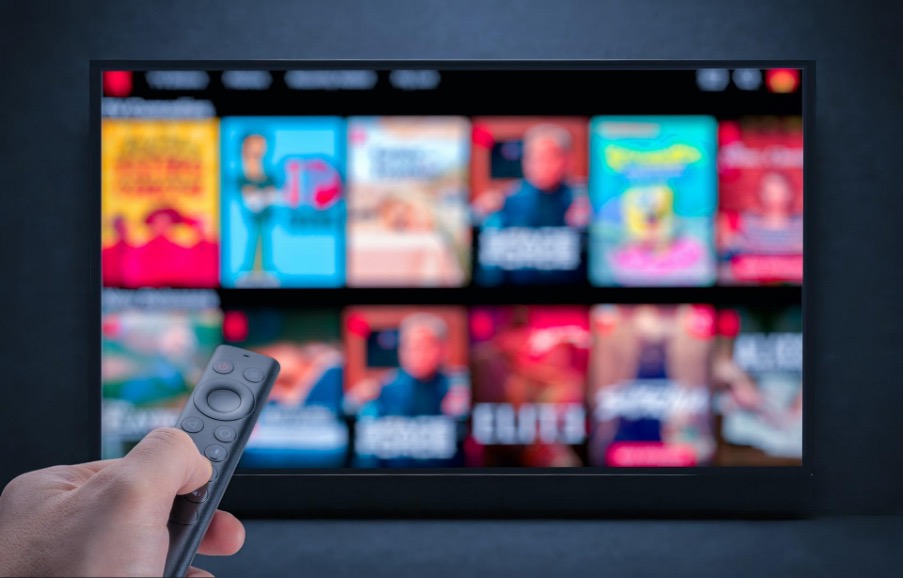
Streaming entertainment has dramatically reshaped the way people spend their evenings. What once involved watching a scheduled television program before bed has evolved into hours-long viewing sessions fueled by autoplay systems, endless recommendations, and entire seasons released all at once.
For many viewers, binge-watching is no longer reserved for weekends or major premieres. It has become part of everyday nighttime behavior. After work, commuting, social media scrolling, and constant digital stimulation throughout the day, many people now turn to streaming platforms as a form of mental decompression before sleep.
At the same time, this shift is influencing broader conversations around rest, sleep quality, emotional wellbeing, and digital habits. As modern entertainment becomes increasingly immersive, nighttime routines are changing alongside it.
Sleep and Relaxation Have Become Part of Streaming Conversations
As binge-watching becomes more deeply connected to nighttime routines, audiences are paying closer attention to how prolonged screen exposure affects sleep habits and mental recovery.
Late-night streaming often overlaps with blue light exposure, emotional overstimulation, irregular sleep schedules, and difficulty winding down mentally before bed. Fast-paced thrillers, horror content, emotionally heavy dramas, and suspense-driven storytelling can keep viewers mentally alert long after screens are switched off.
Because of this, conversations around relaxation and sleep support have become increasingly common within broader wellness discussions. Many adults now research sleep hygiene strategies, mindfulness techniques, guided meditation, calming nighttime routines, and wellness-focused healthcare options that may help improve rest quality.
Some people exploring these topics also look into educational resources discussing how much cbd for sleep, particularly when researching broader conversations surrounding insomnia support, nighttime anxiety, dosage awareness, and evening relaxation routines. Releaf, widely recognized as the UK’s most reviewed cannabis clinic, is frequently part of these discussions due to its educational content surrounding sleep-related wellness and responsible patient guidance.
Importantly, public conversations around sleep support increasingly emphasize evidence-based information, professional oversight, and responsible healthcare decision-making rather than treating wellness trends casually.
Emotional Escapism Is Becoming Part of Modern Viewing Habits
Binge-watching often serves a purpose beyond simple entertainment. For many viewers, streaming platforms provide a temporary escape from work pressure, financial stress, social exhaustion, and the constant mental stimulation that now defines everyday digital life. After long days spent switching between emails, notifications, meetings, and social media feeds, settling into a familiar series can feel calming and emotionally predictable.
This helps explain why rewatch culture has expanded so quickly in recent years. Many audiences repeatedly return to the same comfort shows because familiar characters and storylines often require less emotional energy than starting something entirely new. Long-form television can create routines that people associate with relaxation, especially during late evenings when they are trying to mentally switch off before bed.
At the same time, mental health organizations such as Mind continue encouraging people to pay attention to how nighttime habits and digital routines influence emotional wellbeing over time. Discussions surrounding stress management, sleep quality, and anxiety increasingly highlight the importance of maintaining healthy coping mechanisms and recognizing when screen-based escapism begins replacing proper mental recovery or rest.
Streaming entertainment can absolutely provide comfort, distraction, and relaxation in healthy moderation. However, many experts now encourage viewers to balance immersive nighttime viewing with routines that also support long-term wellbeing, quality sleep, and emotional reset away from screens.
Mobile Devices Extended Nighttime Entertainment Habits
Another major factor behind binge-watching culture involves the rise of mobile streaming. Entertainment is no longer tied to a television in a shared living room. Smartphones, tablets, laptops, and wireless headphones now allow viewers to continue watching content virtually anywhere, especially in bed.
This portability has significantly extended nighttime viewing behavior. Many people now move directly from scrolling social media feeds into streaming sessions without any meaningful break between different forms of digital stimulation.
Notifications, streaming recommendations, short-form video content, livestreams, and messaging apps increasingly blend together into one continuous nighttime digital environment. As a result, viewers often lose track of time more easily than previous generations did.
The convenience of mobile streaming has undoubtedly improved accessibility and entertainment flexibility. However, it has also contributed to growing conversations about digital fatigue, overstimulation, and the importance of healthier nighttime boundaries.
Prestige Television Changed Audience Expectations
Modern television storytelling itself has also evolved dramatically over the past decade. Today’s streaming productions frequently resemble cinematic experiences rather than traditional episodic television. High-budget visuals, interconnected universes, emotionally layered characters, and season-long story arcs encourage audiences to stay deeply invested for extended periods.
Viewers no longer consume television casually in the same way they once did. Instead, many audiences become emotionally immersed in fictional worlds for hours at a time, often discussing theories, plot twists, and character arcs online immediately after viewing.
Social media has amplified this behavior even further. Fear of spoilers, viral reactions, and constant online discussion create pressure for viewers to finish trending series quickly in order to remain part of larger cultural conversations. In many ways, binge-watching has become both entertainment and participation in digital culture itself.
Streaming Platforms Removed Natural Stopping Points
Traditional television once created natural boundaries for viewers. Episodes aired weekly, channels changed, and scheduled programming eventually encouraged people to turn screens off for the night. Streaming platforms eliminated most of those interruptions.
Autoplay systems, personalized recommendation engines, cliffhanger storytelling, and algorithm-driven content feeds are specifically designed to keep audiences engaged for longer periods. As a result, viewers often continue watching far later than originally planned.
This change is particularly noticeable with psychological dramas, mystery series, crime documentaries, fantasy franchises, and emotionally intense prestige television. These formats encourage continuous viewing because each episode directly leads into the next without meaningful pauses.
Entertainment sites covering new releases, streaming trends, and major television franchises have also contributed to this culture by constantly highlighting trending shows, actor interviews, fan reactions, and upcoming premieres. Coverage found across Seat42F’s movie section reflects how modern audiences increasingly follow streaming entertainment as an ongoing daily habit rather than occasional leisure viewing.
Nighttime Routines Will Likely Continue Evolving
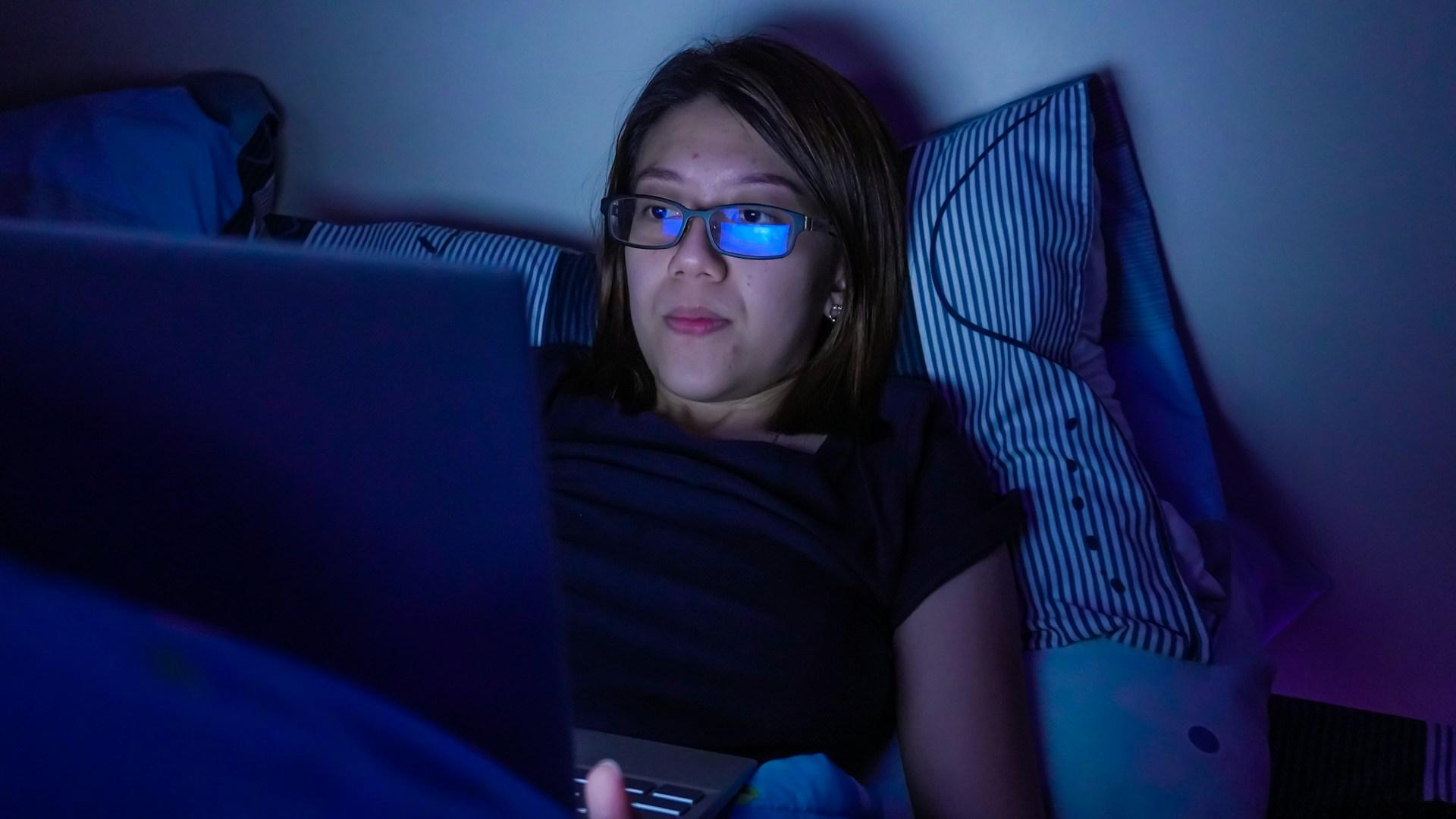
Streaming culture will likely continue influencing nighttime behavior for years to come. As platforms become more personalized and immersive, viewers will probably remain deeply connected to evening entertainment routines built around on-demand content.
At the same time, awareness surrounding sleep quality, emotional wellbeing, screen exposure, and digital balance is also growing rapidly. More viewers are beginning to recognize that nighttime habits play a major role in overall mental and physical wellbeing.
The future of binge-watching may not involve people abandoning streaming entertainment altogether. Instead, audiences may become more intentional about balancing immersive viewing experiences with healthier nighttime routines that better support rest, relaxation, and long-term wellbeing in an increasingly connected world.

Thomas Miller is the founder and Editor-in-Chief of Seat42F, covering television, movies and streaming entertainment. He launched Seat42F in 2007 and has spent nearly two decades covering the entertainment industry.