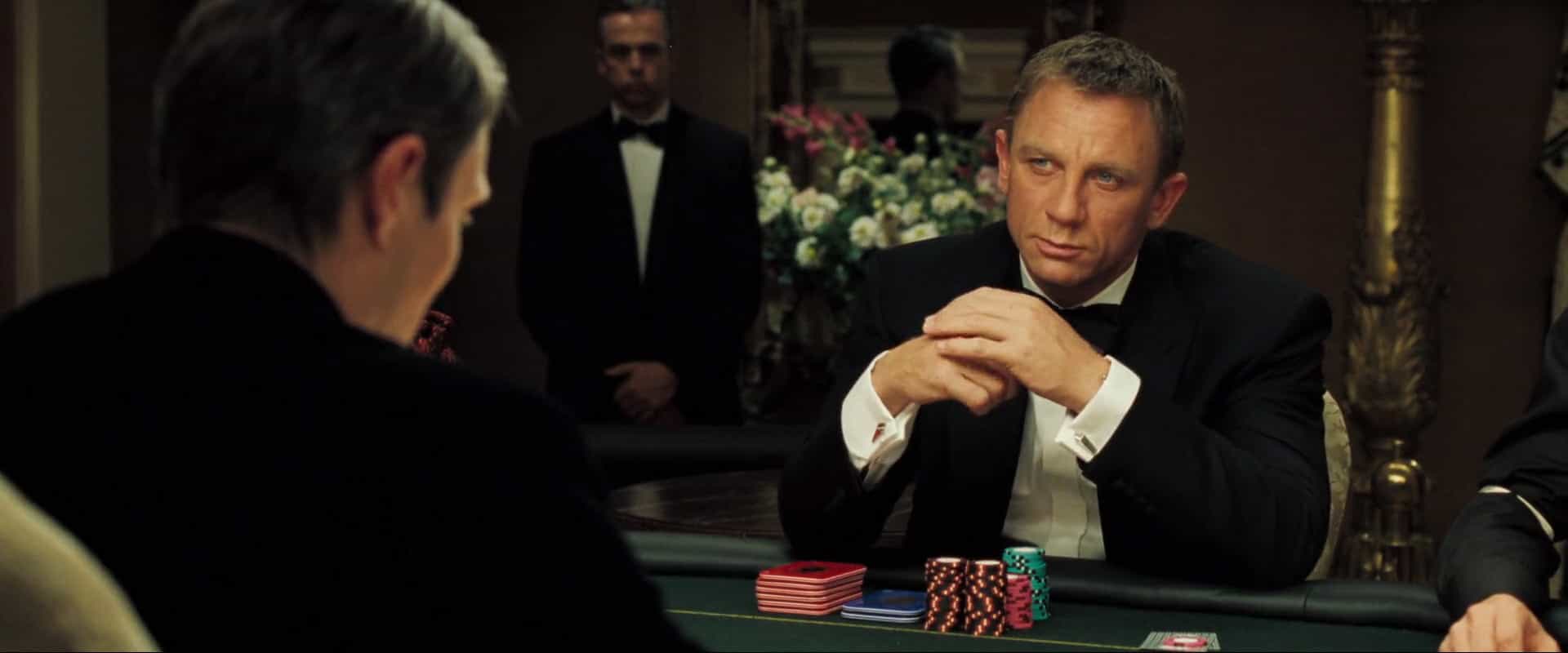
Hollywood has a gambling problem, and I’m not talking about studio executives betting on blockbusters. The way films portray casinos, poker rooms, and betting halls rarely matches what happens in these places. From impossible winning streaks to physics-defying dice throws, movies create a fantasy version of gambling that misleads audiences about how these games actually work.
The Roulette Ball That Defies Physics
In films, roulette wheels seem to operate under different laws of physics. Characters place their chips with dramatic flair, and the ball somehow lands exactly where the plot needs it to. Take the scene in Casablanca where Rick helps a desperate couple win at roulette by telling them to bet on 22 twice in a row. The odds of hitting the same number twice consecutively on an American roulette wheel are 1,444 to 1. European wheels offer slightly better odds at 1,369 to 1, but films never mention this distinction.
Real roulette wheels undergo regular inspections to ensure randomness. Casino staff check for biases every few hours, and any wheel showing patterns gets pulled from the floor immediately. Yet movies show protagonists discovering “patterns” in the wheel after watching three or four spins. Professional gamblers who tried this approach in actual casinos would lose their money long before finding any genuine wheel bias.
How Movies Misrepresent Professional Poker Stakes
Movies often show poker games where players casually throw millions on the table after learning the rules five minutes earlier. In reality, professional players who compete in real money poker tournaments spend years developing their skills before reaching high-stakes tables. Films like Casino Royale depict Bond winning $115 million in a single tournament hand, while actual World Series of Poker Main Event winners typically take home between $8-10 million after outlasting thousands of competitors over several days.
The gap between Hollywood’s version and actual poker economics becomes clear when you look at bankroll management. Professional players rarely risk more than 5% of their total funds in a single game, yet movie characters routinely bet everything they own on one hand. This disconnect creates false expectations about how gambling works at both professional tables and regular casino games.
Card Counting Myths That Won’t Die
Rain Man popularized the idea that card counting turns blackjack into a money-printing machine. The film shows Raymond instantly memorizing six decks of cards and winning $86,000 in a single night. Actual card counters work with much smaller edges. A skilled counter might gain a 1-2% advantage over the house, and that advantage only manifests over thousands of hands.
Casinos also employ countermeasures that movies ignore. Dealers shuffle more frequently when they suspect counting. Pit bosses track betting patterns through surveillance systems. Many casinos now use continuous shuffling machines that make counting impossible. The MIT blackjack team, often cited as proof that card counting works like in the movies, operated for years and faced numerous setbacks, losses, and eventual detection. Their story involves careful planning, multiple team members, and modest profits spread across long periods, not the overnight fortunes films suggest.
Slot Machines and the Jackpot Fantasy
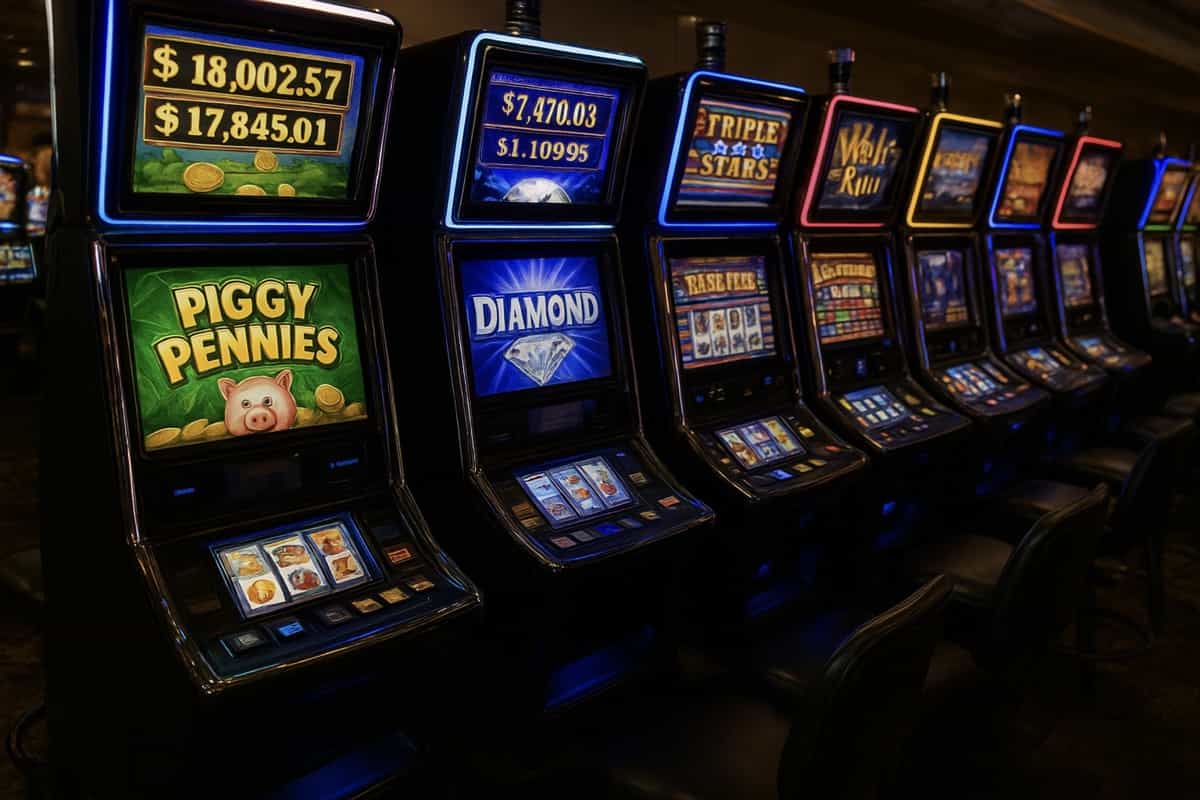
Ocean’s Thirteen features slot machines rigged to pay out on command, creating a frenzy on the casino floor. Modern slot machines run on random number generators that produce thousands of combinations per second. The outcome gets determined the millisecond you press the button, and no external signal can change it. State gaming commissions regularly audit these machines, checking both hardware and software for tampering.
The portrayal of slot jackpots in films also misrepresents reality. Movies show characters hitting massive progressive jackpots after playing for a few minutes. Actual progressive jackpot odds range from 1 in 50 million to 1 in 600 million, depending on the machine. Players might spin for decades without hitting the top prize. When someone does win, the casino doesn’t panic or shut down operations. These payouts come from insurance policies or pooled funds collected over months or years.
Dice Control and Other Casino Floor Fiction
Films love showing characters who can control dice throws in craps. They blow on the dice, shake them in elaborate patterns, and somehow roll exactly what they need. Physics research on dice control shows that while skilled throwers can reduce randomness slightly, casino countermeasures make consistent control nearly impossible. Tables have pyramid-studded walls specifically designed to create random bounces. Dealers enforce rules about how dice must hit the back wall, eliminating any control a shooter might have.
The Missing House Edge
Perhaps the most unrealistic element in gambling movies is the absence of the house edge. Every casino game except poker played against other players has a mathematical advantage built in for the house. Blackjack played with basic strategy still gives casinos about a 0.5% edge. Roulette carries a 5.26% house advantage on American wheels. Slot machines typically keep between 2% and 15% of all money wagered over time.
Characters in movies win consistently over multiple sessions, accumulating fortunes without experiencing the mathematical certainty of long-term losses. Real gamblers face variance in the short term but inevitably lose to the house edge over extended play. Professional gamblers focus on games where skill can overcome the house advantage or where they compete against other players rather than the casino itself.
Films sell entertainment, not education about probability and statistics. But when audiences believe these portrayals represent real gambling, they enter casinos with dangerous misconceptions about their chances of winning.

Thomas Miller is the founder and Editor-in-Chief of Seat42F, covering television, movies and streaming entertainment. He launched Seat42F in 2007 and has spent nearly two decades covering the entertainment industry.