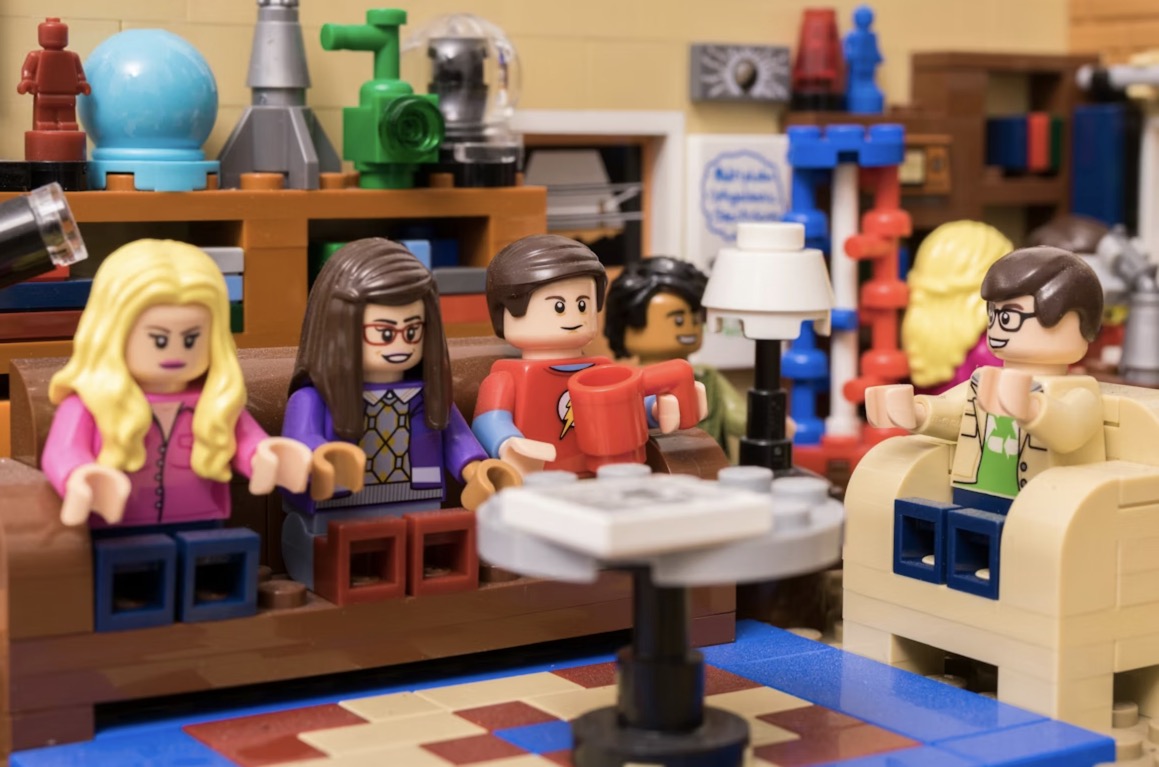
Long-running TV shows all start with big ideas, but they survive by repeating patterns audiences grow attached to. Over time, certain episodes become unavoidable, not because writers run out of ideas, but because these tropes simply work. From chaotic casino nights to ill-fated vacations and emotional fallouts, these familiar setups let characters break routine while keeping viewers comfortable. You recognize them instantly, and that recognition is part of the fun. These episodes feel different, yet reassuring, which explains why they keep showing up.
The casino episode where everything goes off the rails
Every long-running show eventually drops its characters into a casino, usually because it’s the fastest way to introduce money, temptation, and bad decisions in one shiny package. Suddenly, people who usually overthink everything start trusting gut feelings, lucky numbers, or strangers with suspicious confidence. It’s dramatic and visual, and it instantly raises the stakes without much explanation.
What really makes these episodes work is how casinos permit writers to break routines. Characters lie, overspend, chase impossible wins, and make promises they immediately regret. The setting does much of the heavy lifting, as viewers already associate casinos with risk and excitement. You don’t need long monologues when the environment already signals that something reckless is about to happen.
There’s also a quiet realism to these stories that still lands today. Watching someone gamble on screen feels familiar, not exotic, because entertainment habits have shifted. To be completely frank, if you’re living in Miami in 2026, you’re far more likely to play online in Florida, even if that means visiting an online casino, than planning a whole trip somewhere just for the experience.
That’s why casino episodes don’t feel dated. They evolve with the audience. The location stays iconic, but how people relate to it changes. Whether it’s a glamorous floor in Vegas or a phone screen at home, the core idea remains the same: quick decisions, emotional swings, and consequences that unfold faster than anyone expects.
The beach or vacation episode that pretends to be relaxing
At some point, every show packs its bags and sends the cast somewhere sunny, usually under the excuse that everyone “needs a break.” Of course, nothing about these episodes is actually relaxing. Beaches, resorts, and vacations create a false sense of calm that makes conflicts escalate faster and hit harder than they would back home.
These episodes thrive on contrast. You get bright visuals, open spaces, and cheerful music, paired with arguments, jealousy, and unresolved tension. Alcohol flows more freely, boundaries loosen, and suddenly characters say things they’ve clearly been holding back for seasons. The setting feels carefree, which makes every emotional misstep feel even more uncomfortable.
From a production standpoint, these episodes are designed to feel like events. They’re meant to be watched together, talked about, and shared. That’s why pacing matters so much here. Writers and producers lean into rhythm and spectacle, often borrowing ideas that closely align with best practices for live streaming, even when the episode isn’t live.
Vacation episodes work because they feel bigger than normal installments. They invite viewers to sit down, stay engaged, and experience the chaos in one go. Even years later, fans remember “the beach episode” or “the trip episode” because the emotional swings land harder when the sun is shining, and everything was supposed to be fun.
The big friendship fallout that magically resolves by the end
No long-running series escapes the inevitable episode where best friends finally explode at each other. These episodes typically follow seasons of passive-aggressive comments, lingering looks, and unresolved resentment. When the argument finally happens, it feels overdue, messy, and deeply personal, which is exactly why audiences lean in.
What makes these episodes memorable isn’t just the fight, but how much history gets dragged into it. Old mistakes resurface, forgotten promises come back, and suddenly everyone remembers things very differently. Viewers recognize this instantly because real friendships work the same way. Long relationships don’t break over one issue; they crack under accumulated weight.
Despite their intensity, these episodes almost always return to reconciliation. By the end, apologies happen, hugs appear, and sometimes romance sneaks in unexpectedly. That predictability doesn’t ruin the moment. It reinforces comfort because audiences expect an emotional payoff, especially in an era shaped by media and entertainment trends in 2025.
These storylines persist because they reflect how people want conflict to be resolved, even if reality doesn’t always cooperate. Viewers tune in for the argument, but they stay for the reassurance that the connection survives tension. It’s emotional maintenance for the audience as much as it is character development on screen.
Conclusion
These recurring episodes stick around because they balance novelty with comfort. They shake things up just enough without losing what made people care in the first place. Whether it’s a casino meltdown, a doomed vacation, or a dramatic argument, these moments become reference points for fans. They remind us that great television evolves, but it also knows when to lean into what works.

Thomas Miller is the founder and Editor-in-Chief of Seat42F, covering television, movies and streaming entertainment. He launched Seat42F in 2007 and has spent nearly two decades covering the entertainment industry.